

Tungsten and the Fourth Industrial Revolution

by Lewis Black
President & CEO, Almonty Industries
6 minute read
January 11, 2026
The Fourth Industrial Revolution is often described as a triumph of software. In reality, it’s being shaped just as much by the physical materials that make advanced machines possible. Tungsten is one of them – and its importance is coming back into focus.
Over the years, tungsten has repeatedly proven central to industrial progress, despite being largely invisible outside specialist circles. People notice the finished products – the machines, the factories, the energy systems – but rarely the material that makes their precision and durability possible. And yet tungsten has been doing this for more than two centuries.
Artificial intelligence gets most of the attention in discussions about Industry 4.0, and for good reason. But AI does not float above the physical world. It runs on hardware, inside datacentres, factories and energy systems that must be built, cooled, powered and maintained. Those systems depend on materials that can operate under extreme conditions.
When tungsten first entered industrial use, it helped make reliable electric lighting possible. Later, it became indispensable to the rise of precision machining. Today, it sits behind automation, robotics, additive manufacturing and advanced energy systems – the very technologies usually grouped under the banner of the Fourth Industrial Revolution. The difference this time is that the constraints around tungsten are becoming more visible.
Every industrial revolution has had its signature technologies. Water and steam powered the first. Electricity enabled the second. Electronics and information technology drove the third. The fourth is often described as cyber-physical: software, sensors and machines working together in real time. But that description can be misleading if it implies that the physical layer has somehow become less important. In practice, the opposite is true.
As production becomes more automated and tightly controlled, there is less room for material failure. Once processes are tuned for speed and precision, components either perform to specification or the system stops. That puts a premium on materials and tooling that can withstand extreme heat, stress and wear, and machine harder materials to ever-tighter tolerances. That’s where tungsten comes in.
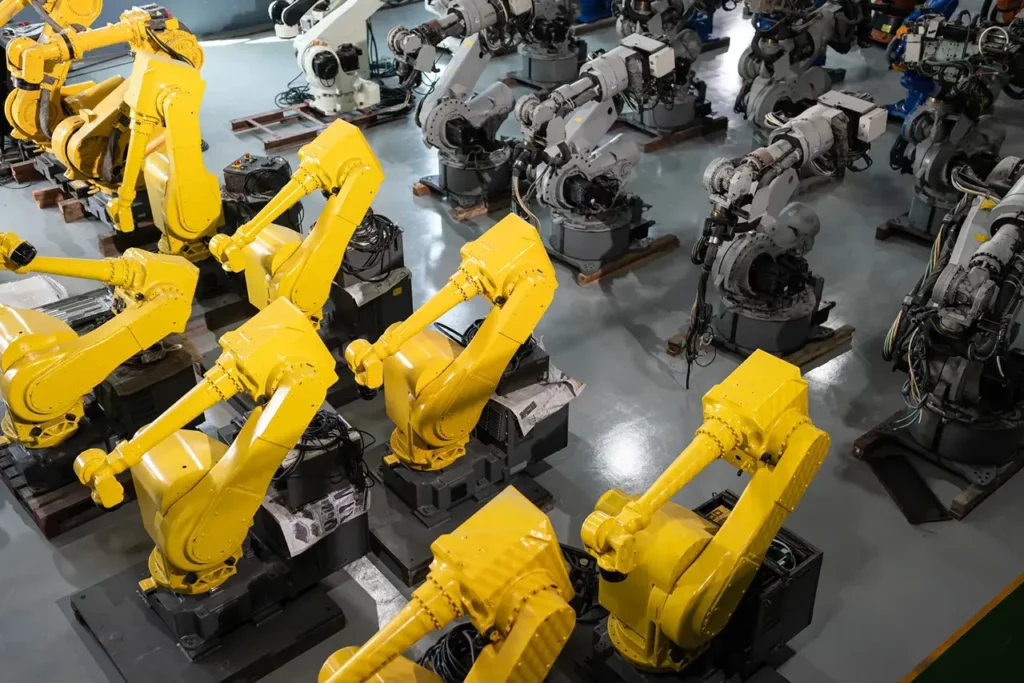
Around 70 per cent of tungsten is consumed as tungsten carbide, primarily in cutting tools. That may not sound as impressive as its key role in silicon chip production (essentially, there’s no AI without tungsten) but it is fundamental. Almost everything manufactured at scale today – from vehicle motors to aircraft components, from industrial equipment to energy infrastructure – has been shaped, drilled or finished using tungsten carbide tooling. Pair that tooling with computer-controlled machining, and you have the mechanical foundation of modern manufacturing. In other words, before you get to AI optimising a factory, you need to be able to build the factory – and the machines inside it – with extraordinary precision.
This is where the physical reality of the Fourth Industrial Revolution becomes clear. Advanced manufacturing is not just about smarter software. It’s about materials that can survive faster cutting speeds, higher temperatures and continuous operation, and alloys that perform reliably in extreme environments. Tungsten shows up in all those places. Sometimes directly, sometimes indirectly, but always critically.
What has changed in recent years is not tungsten’s usefulness, but the environment around it. For decades, global supply chains were built on the assumption that materials would always be available at the right price, from somewhere else. That assumption is now being tested.
Tungsten is a small market by volume, but a highly concentrated one. China has dominated supply for decades, not by accident, but through a combination of geology, industrial policy and long-term investment. That dominance was manageable when markets were stable and trade flows predictable. It becomes more problematic under export controls, geopolitical tension and increased rearmament.
At the same time, demand is evolving. Defence still matters, but it is not the whole story. Automation, robotics and advanced manufacturing rely on tungsten-based tooling. The energy transition is creating new uses in power infrastructure and emerging technologies. Even where end-products appear to use less tungsten directly, it often reappears elsewhere in the supply chain, performing critical functions out of sight.
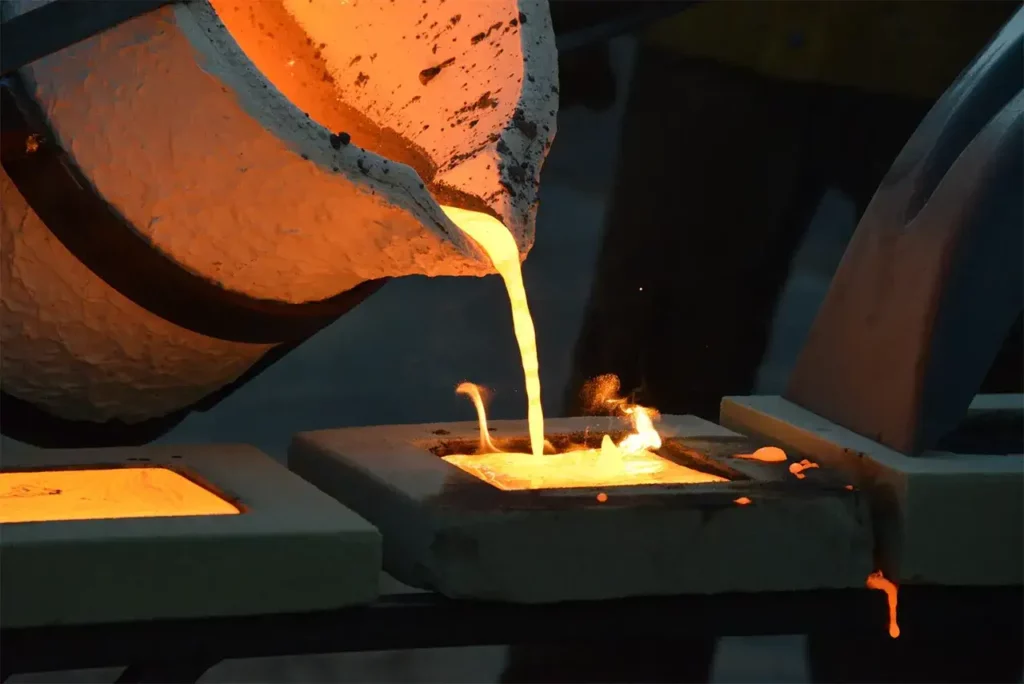
None of this means that demand will suddenly double overnight. Tungsten has never been a speculative metal. It tends to grow steadily, in line with industrial activity. The challenge is on the supply side. New mines take years to develop. Processing capacity takes longer. And once a supply chain has been hollowed out, rebuilding it takes years, not quarters.
This is where I sometimes allow myself a little smile when I hear confident predictions about how quickly entire industries will be transformed. I have spent long enough in mining to know that atoms move on a different timetable from bits. You can deploy a new application in weeks. You cannot conjure a resilient materials supply chain out of thin air.
That doesn’t mean the Fourth Industrial Revolution is over-hyped. Far from it. The technologies are real, and the changes they are bringing are profound. But it does mean that success will depend on a more grounded understanding of what underpins them.
For investors, that means looking beyond the obvious headlines. The value is not only in the software layer, but in the physical systems that software controls. For policymakers, it means recognising that industrial strategy cannot stop at finished products. It must reach upstream, to the materials and capabilities that make advanced manufacturing possible in the first place.
For those of us who have spent our careers in this space, none of this feels especially radical. We have seen similar cycles before. Each time manufacturing pushes into more demanding territory, certain materials become critical again. Tungsten has done that repeatedly, from the age of steam to the age of automation.
Looking further ahead, the same pattern is starting to appear in areas that are still largely experimental. Nuclear fusion is often discussed as a still-unresolved challenge of physics and control systems. But the recent progress in long-duration plasma containment has depended just as much on materials. In France and Korea, reactors lined with tungsten have sustained plasma at temperatures measured in tens of millions of degrees for longer than was previously possible. Whether or not fusion delivers on its promise, the pattern is the same: when systems are pushed to their limits, materials matter.
The Fourth Industrial Revolution will be no different. It will reward those who understand that progress is not just written in code, but forged, cut and shaped in the physical world. Tungsten may not headline the story, but it will continue to determine how far – and how fast – that story can go.
Almonty Live Projects
Trusted and experienced operations in conflict-free regions by diversified tungsten specialists. The company’s focus remains on past producing mines, operations that are on care and maintenance, tailings stockpiles and other situations where near-term production and positive cash flow can be achieved.


